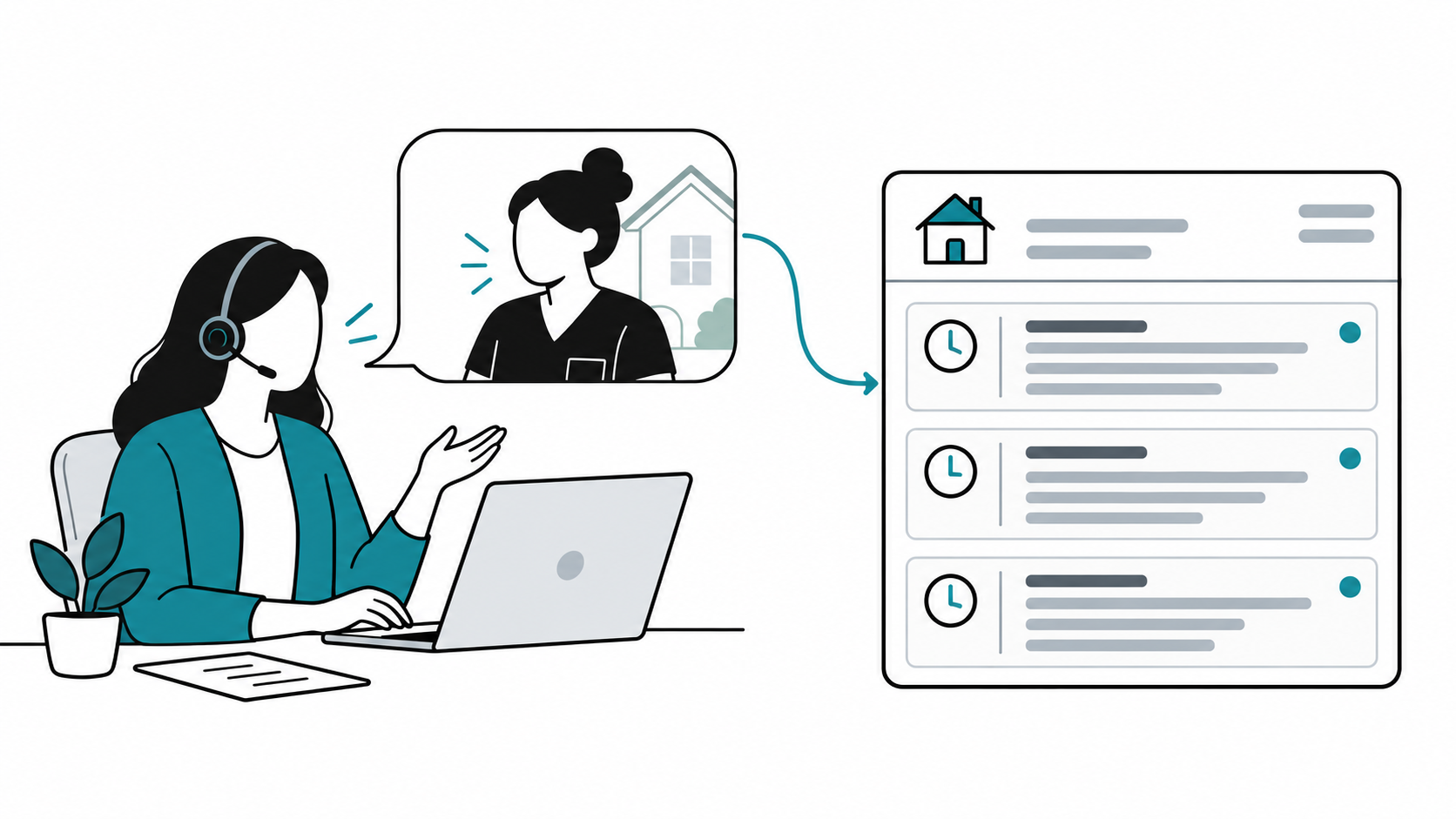
When a caregiver calls to say they’re running late, the coordinator may need to reach the family, adjust the schedule, and keep the rest of the team updated. Before they’ve finished documenting what happened, another call comes in and needs their attention.
The immediate issue may be handled, but the details still need to make it into the EMR. If that gets pushed to the end of the day, the coordinator is trying to remember that conversation alongside everything else they handled.
When someone asks about the shift later to finalize payroll and billing, the record needs to explain when the caregiver called, what they reported, and how the office responded. Those questions become much harder to answer when the people involved remember the situation, but the documentation only tells part of the story.
Documentation gives you something to work from
Being ready for an audit starts with being able to understand what happened without having to reconstruct a busy day from memory. That takes documentation with enough context for someone who wasn’t involved to follow the situation.
A note that says the office spoke with the family may confirm that a conversation happened, but it leaves out what was discussed and whether anything still needed attention. If someone else takes the next call, they’re left asking the family to explain it again or tracking down the coordinator who handled it.
Timing needs to be clear as well. The time a caregiver called, the time a note was entered, and the time care was delivered tell you different things. Documenting that a caregiver reported arriving helps preserve the conversation, but it shouldn’t be confused with a verified visit record.
The goal is to have a record you can follow, including a clear distinction between what someone reported and what has been verified.
The information needs to reach the right record
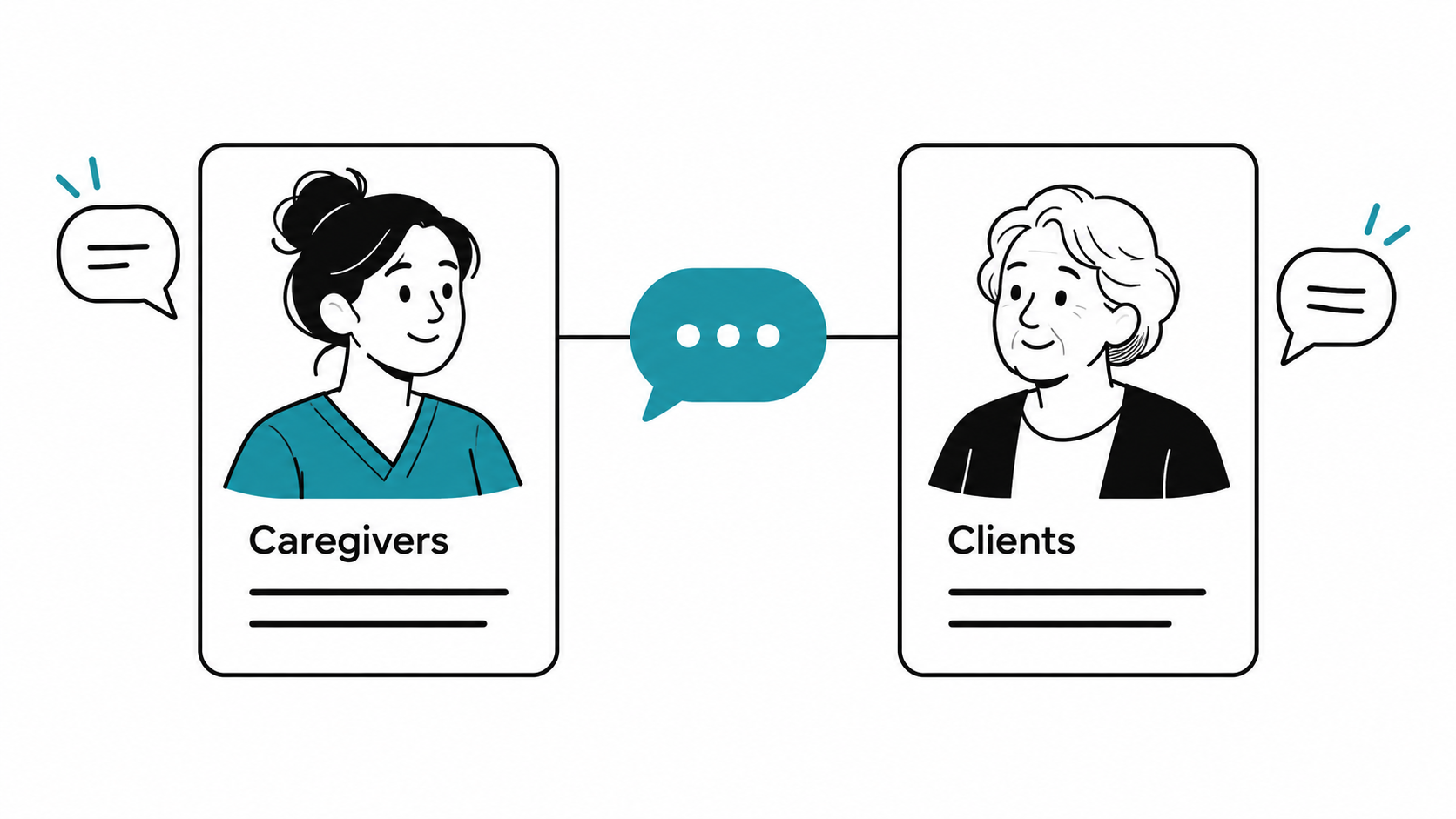
A lot of home care coordination happens over the phone and through conversations throughout the day. The people handling an issue may know exactly what’s going on, while the client’s record is still missing the details.
That gap matters well before an audit. A coordinator covering for a coworker needs to see what the family was told and whether a concern was resolved. If the information is sitting in someone’s notebook or a separate message thread, they may have no way to know that follow-up already happened.
Keeping the EMR accurate and up to date gives the team a shared place to understand what happened and decide what needs to happen next. It also gives the person reviewing the situation later a clearer account of how it was handled.
Documentation has to fit the work
We built SmartAutomations.Care from our experience working in home care and seeing how easily one conversation and the work surrounding it could be interrupted by another issue. Staff needed to handle what was in front of them, but the information from the earlier conversation still needed to get into the system.
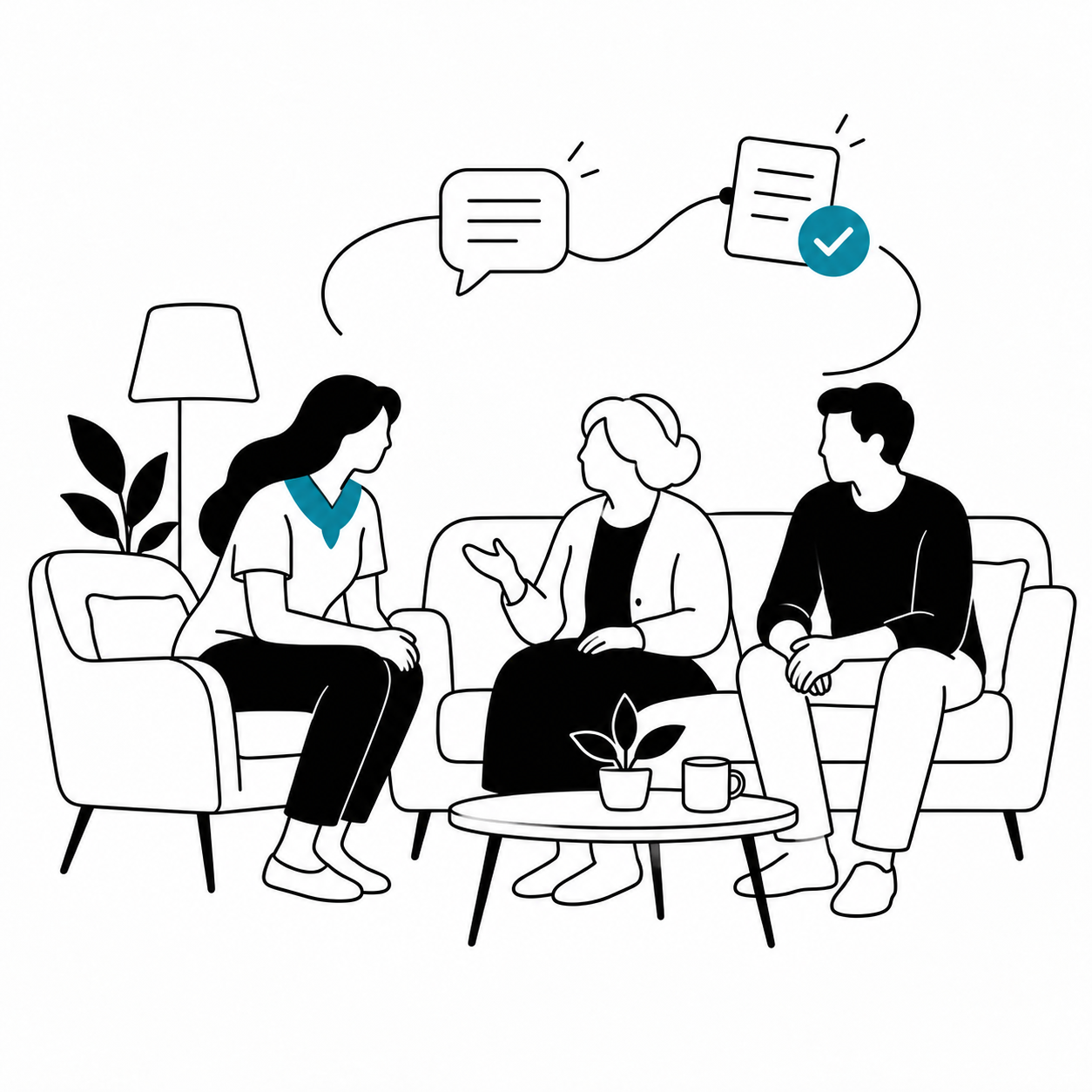
SmartAutomations.Care automatically documents phone calls and in-person conversations and puts that information into the agency’s scheduling system. It helps the team focus on the conversation while making sure the details are available to the people who need them.
Those notes support the agency’s documentation process alongside required visit records and other compliance documentation. They help preserve what was communicated so the team has more context when reviewing a concern or answering a question.
A useful place to start is with a recent scheduling issue. Open the record and consider whether someone who wasn’t involved could understand what happened, when the office learned about it, and how the team responded. If answering those questions still depends on finding the right person and asking what they remember, that’s a gap worth addressing in the everyday workflow.