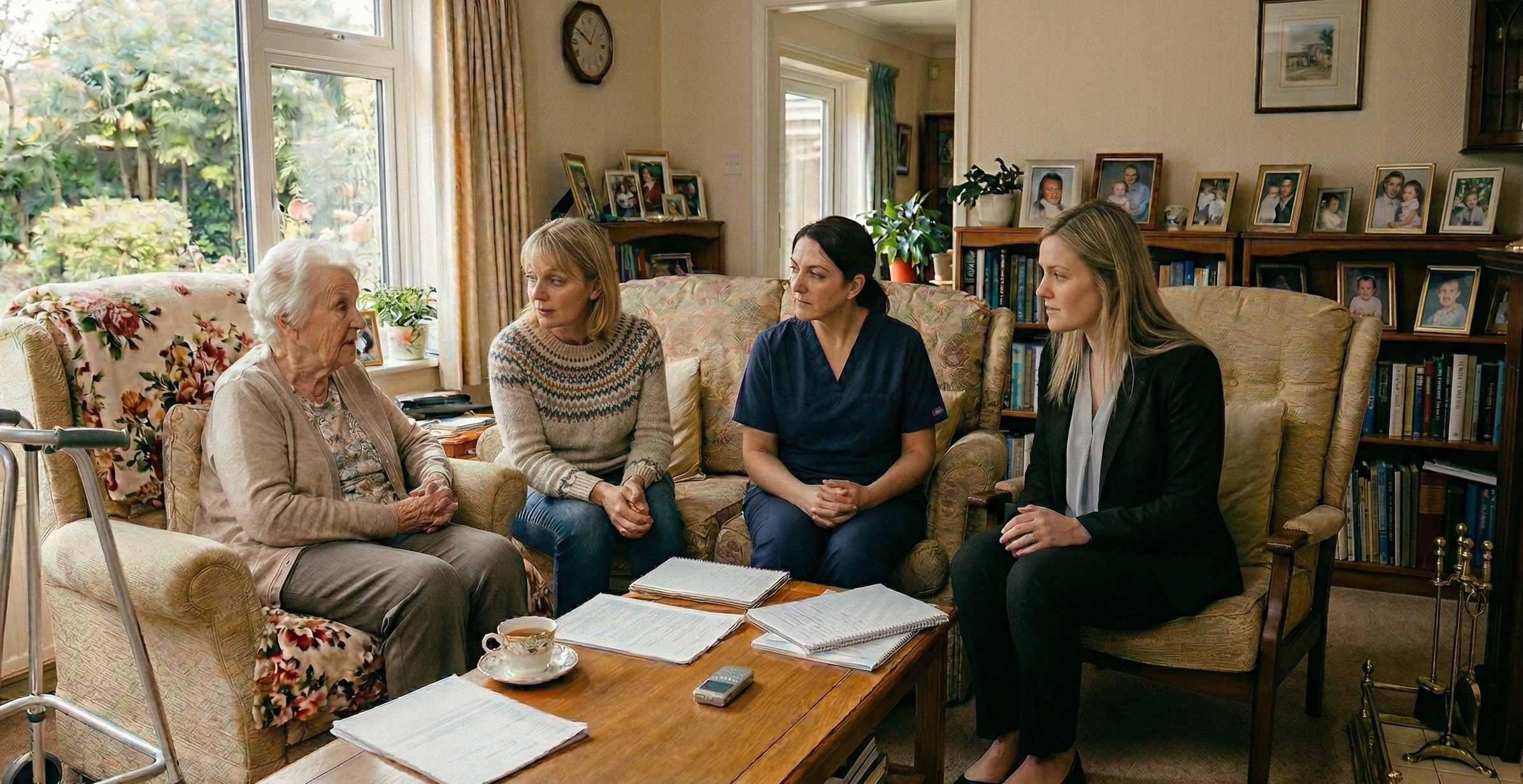
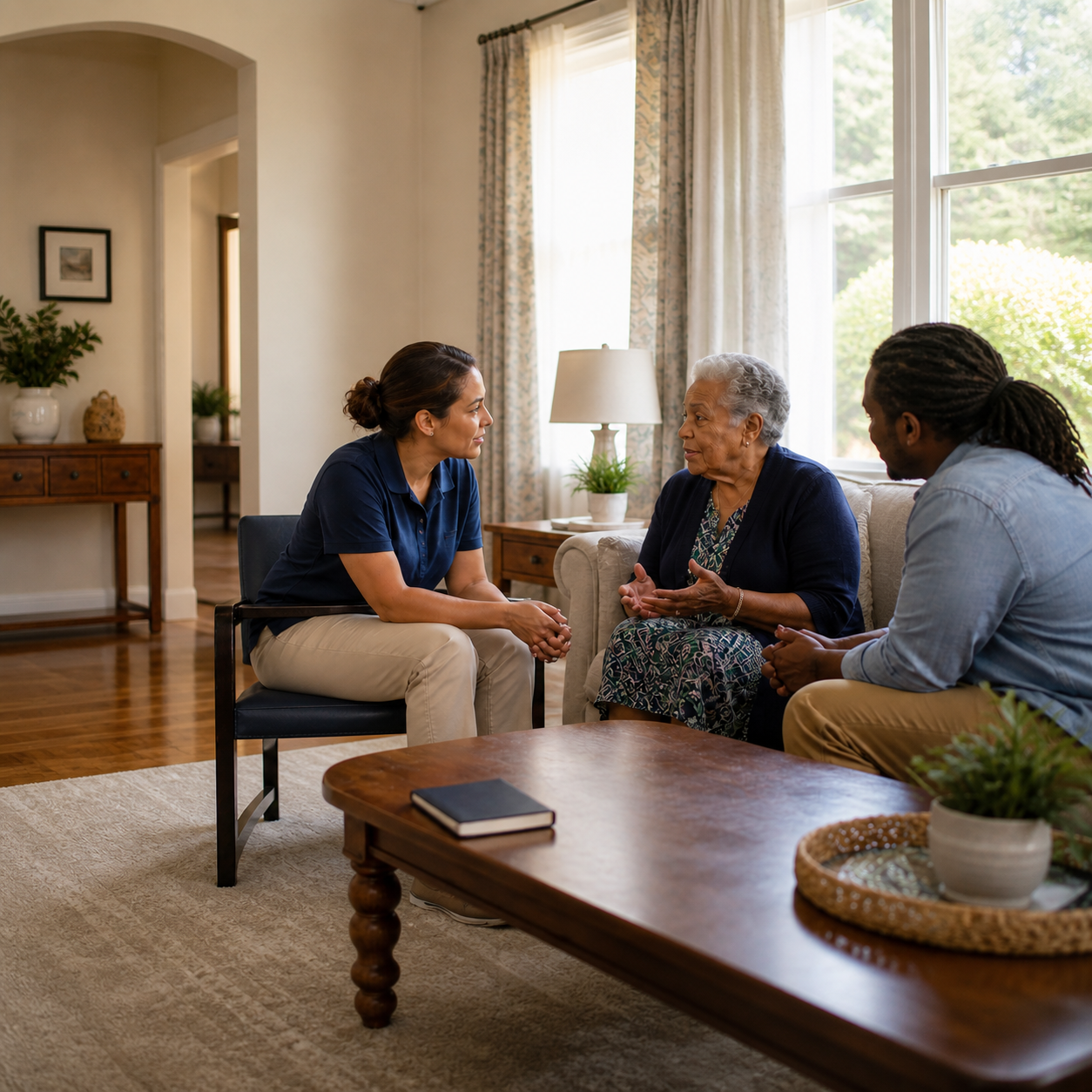
Supervisory visits are supposed to be routine. Check in on the caregiver, confirm the care plan is being followed, make sure the client is comfortable. Box checked, notes filed, on to the next one.
But anyone who has spent time in home care knows that "routine" visits rarely stay that way. A caregiver quietly flags that transfers have felt harder lately. A family member pulls you aside to say something has felt off for the past few weeks but they couldn't quite put their finger on it.
None of that was on the agenda. All of it matters enormously.
The question isn't whether this happens. It's whether your agency is set up to capture it when it does.
Supervisory visits carry more information than we give them credit for
A supervisory visit, at its core, is an observation. A trained person is in the client's home, watching, listening, and asking questions. That process generates real signals: changes in cognition, mobility, behavior, appetite, family stress, whether or not anyone formally labels it a "reassessment."
The difference between a supervisory visit and a reassessment is often just intention. The information collected can be identical. And when that information points to a meaningful change in a client's condition, it needs to be treated with the same care as a formal reassessment: documented thoroughly, reviewed by the right people, and used to update the care plan if needed.
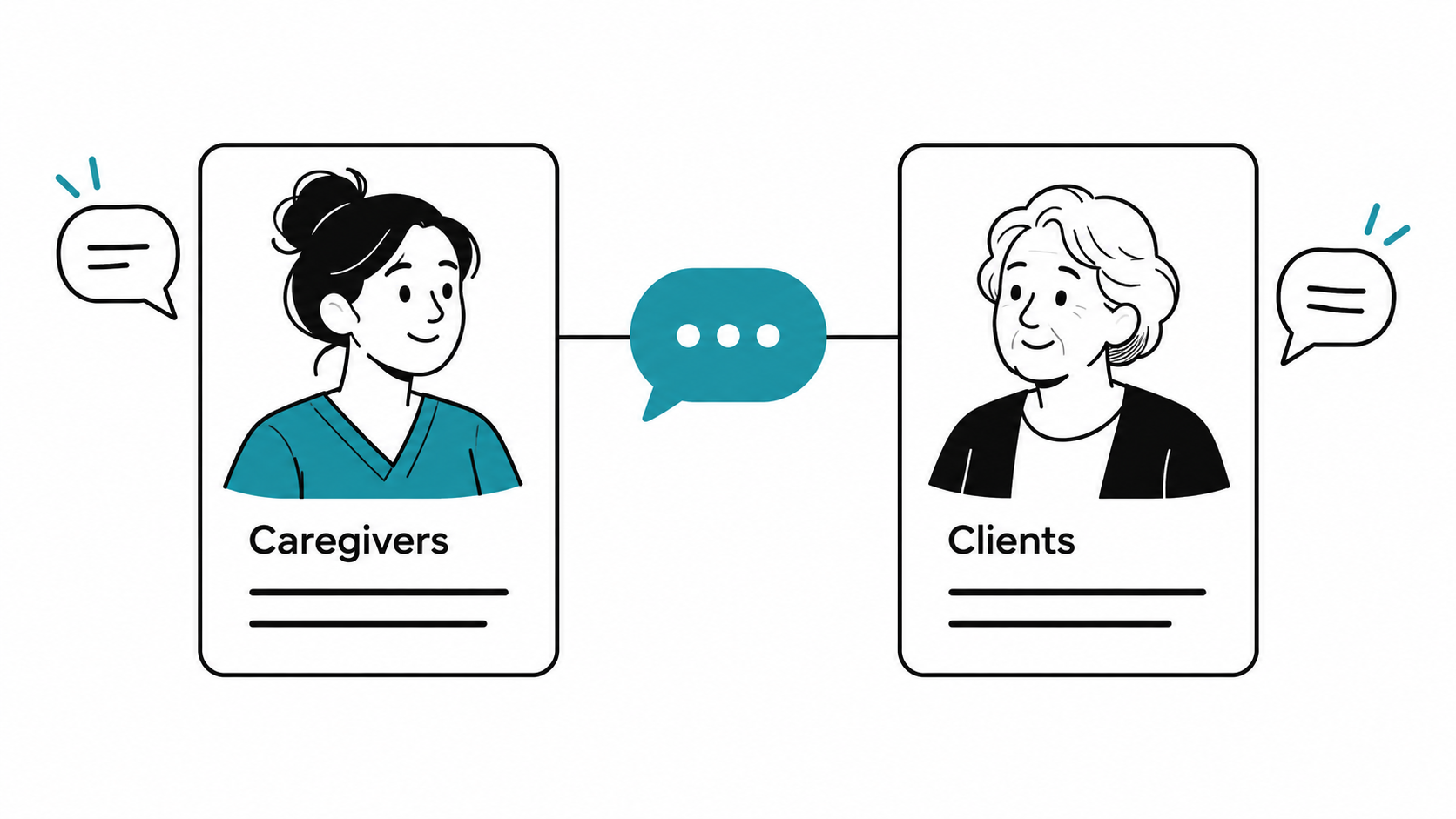
The problem is that most agencies have no reliable way to capture everything that happens in a supervisory visit. A coordinator takes some notes. Maybe they dictate a voice memo on the way to the car. Maybe they remember to type it up when they get back to the office. But the full texture of the conversation: the specific words a client used, the exact concern the caregiver raised, the tone in a daughter's voice when she described what she'd been seeing, doesn't survive the trip back.
What recording actually preserves
When SmartAutomations.Care captures a supervisory visit, it isn't just capturing a backup of what was said. It's preserving the full picture that your coordinator observed in the room: everything that might be relevant later, even the things that didn't seem significant at the time.
That matters because care needs change gradually. A single supervisory visit might not tell you much on its own. But a library of visits tells a longitudinal story: when a client's energy first started declining, when a caregiver first mentioned increased fall risk, when a family first began expressing concern. That story is often invisible when documentation is manual and fragmented. It becomes clear when visits are recorded and organized.
And when something in a recorded visit does require action, when the observations rise to the level of a formal reassessment, a care plan update, or a clinical review, the information is already there. Your team doesn't have to reconstruct it from memory or piece it together from incomplete notes. They work from a complete, accurate record of what was actually observed.
The value compounds over time
The real power of recording supervisory visits isn't in any single visit. It's in what the record becomes over the course of a client relationship.
Six months of recorded supervisory visits is a full history. It's evidence that your agency was paying attention, that your caregivers were doing their jobs, and that your team responded appropriately when something changed. That record protects your clients by keeping their care current. It protects your agency by demonstrating compliance and diligence. And it gives your coordinators the context they need to make good decisions without starting from scratch every time.
Recording supervisory visits isn't about adding more processes. It's about making sure that everything your team already observes actually gets used.
SmartAutomations.Care captures in-person visits, generates summaries, and syncs directly to your EMR, so every supervisory visit is fully documented and ready to act on.